
.webp)
The human and economic impacts of public health crises—from pandemics to regional outbreaks of disease—are far-reaching, ongoing and devastating for patients, their families and their communities, who need clear information and actionable preventative measures before, during and after an outbreak. That’s why public health requires a systemic approach.
Our areas of work are purposefully interconnected with the overarching goal of elevating systems of care for patients worldwide. We are a lean organization that uses strategic grantmaking to strengthen the connections between people, institutions and public health systems. By leveraging technology to improve communication, information sharing and coordination, we help build more resilient systems that can better prevent and respond to public health challenges.
Network

We link public health officials, epidemiologists, researchers and other experts around the world in a network aimed at improving public health.
Information & Analysis
.svg)
We apply AI, machine learning and other technologies to accelerate research and encourage transparent, real time and widespread knowledge sharing.
Communications

We believe in sharing information about public health issues and threats transparently, broadly and in real time through trusted journalism partnerships and expert voices.
Emergency Response

We build increased resilience in public health systems to better equip the global community to prepare for and respond to public health emergencies.
Where We Work
Network
We link public health officials, epidemiologists, researchers and other experts around the world in a network aimed at improving public health. We proactively connect public health professionals to discuss best practices and share information so that relationships exist, collaborations are ongoing and public agencies can respond quickly and easily to prevent disease outbreaks.
Grantee Spotlight

The Council of State and Territorial Epidemiologists
CSTE, a public health-focused nonprofit organization, represents the individual State and Territorial Epidemiologists across all U.S. states and territories. Schmidt Global Health advances the applied epidemiology workforce by conducting foundational activities to prepare for and respond to outbreaks and emergencies, improving collaboration with Tribal Health, and developing future and current epidemiologists for applied public health work.

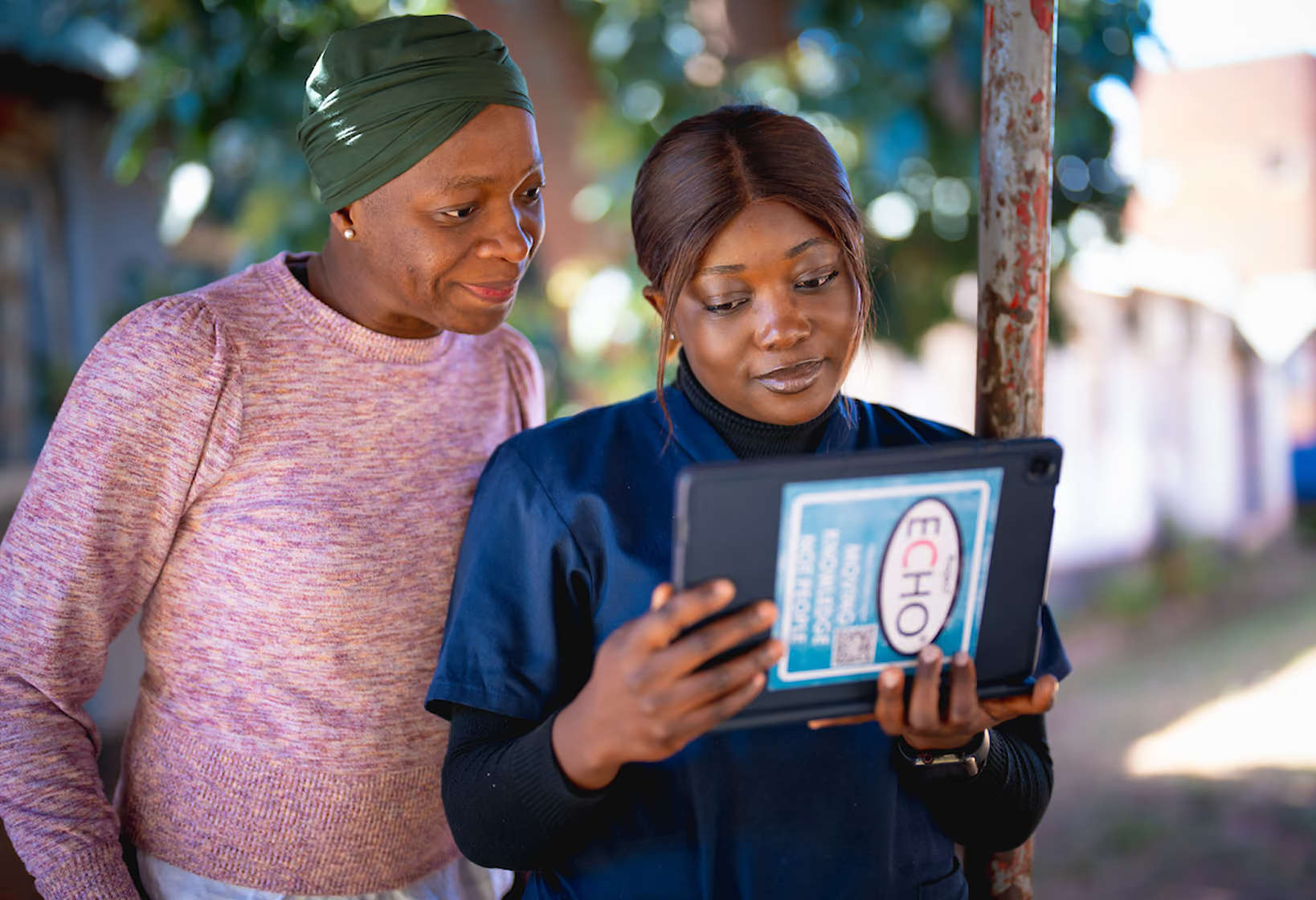
Project ECHO
Project ECHO is the WHO Collaborating Center for Digital Learning in Health Emergencies, supporting sustainable systems for just-in-time virtual mentoring and collaborative problem-solving. Schmidt Global Health funds multiple Long Covid ECHOs and Project ECHO’s support of WHO health emergencies education.
The Pacific Island Health Officers Association
The Pacific Island Health Officers Association (PIHOA) is a nonprofit organization that is led by and represents the collective interests of the Ministers, Secretaries, and Directors of Health of the U.S.-Affiliated Pacific Islands (USAPI). Schmidt Global Health supports PIHOA advancing emergency preparedness and epidemiological training to advance health security in the region.
Information & Analysis
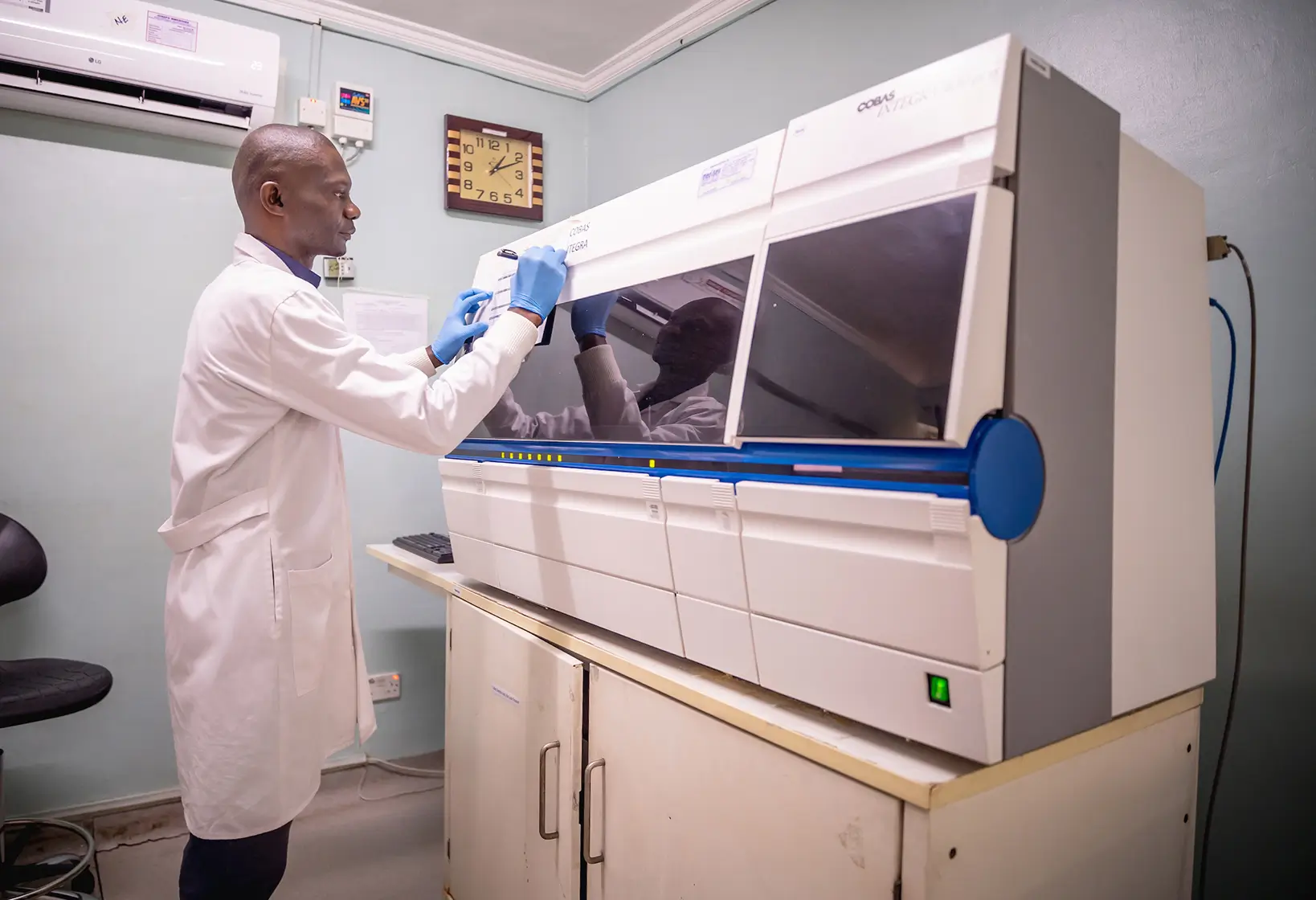
We apply AI, machine learning and other technologies to accelerate research and encourage transparent, real-time and widespread knowledge sharing. As part of our work, we support researchers pursuing clinical trials for diagnostics and treatments using new technologies, accelerating discovery with AI. We also seek to deepen information sharing practices, particularly between health ministries worldwide through automated information collection, analysis and sharing.
Grantee Spotlight
Global Strategies
Global Strategies works to improve the quality of care delivered by frontline healthcare workers in settings with limited access to medical specialists. Schmidt Global Health supports Global Strategies to assess the potential of data routinely collected with the use of clinical decision support tools to evaluate and improve public health surveillance of neonatal mortality and other reportable conditions.

University of Kinshasa
The University of Kinshasa is evaluating a novel, AI-powered screening tool for mpox that operates on basic mobile phones via an SMS interface. The goal is a rapid, accessible, and reliable screening method to support clinical decision-making where resources for laboratory diagnosis are scarce.
Communications
We believe in sharing information about public health issues and threats transparently, broadly and in real time with the general public, medical community and governments through trusted journalism partnerships and expert voices. Our communications partners track, analyze and share public health news with communities around the world.
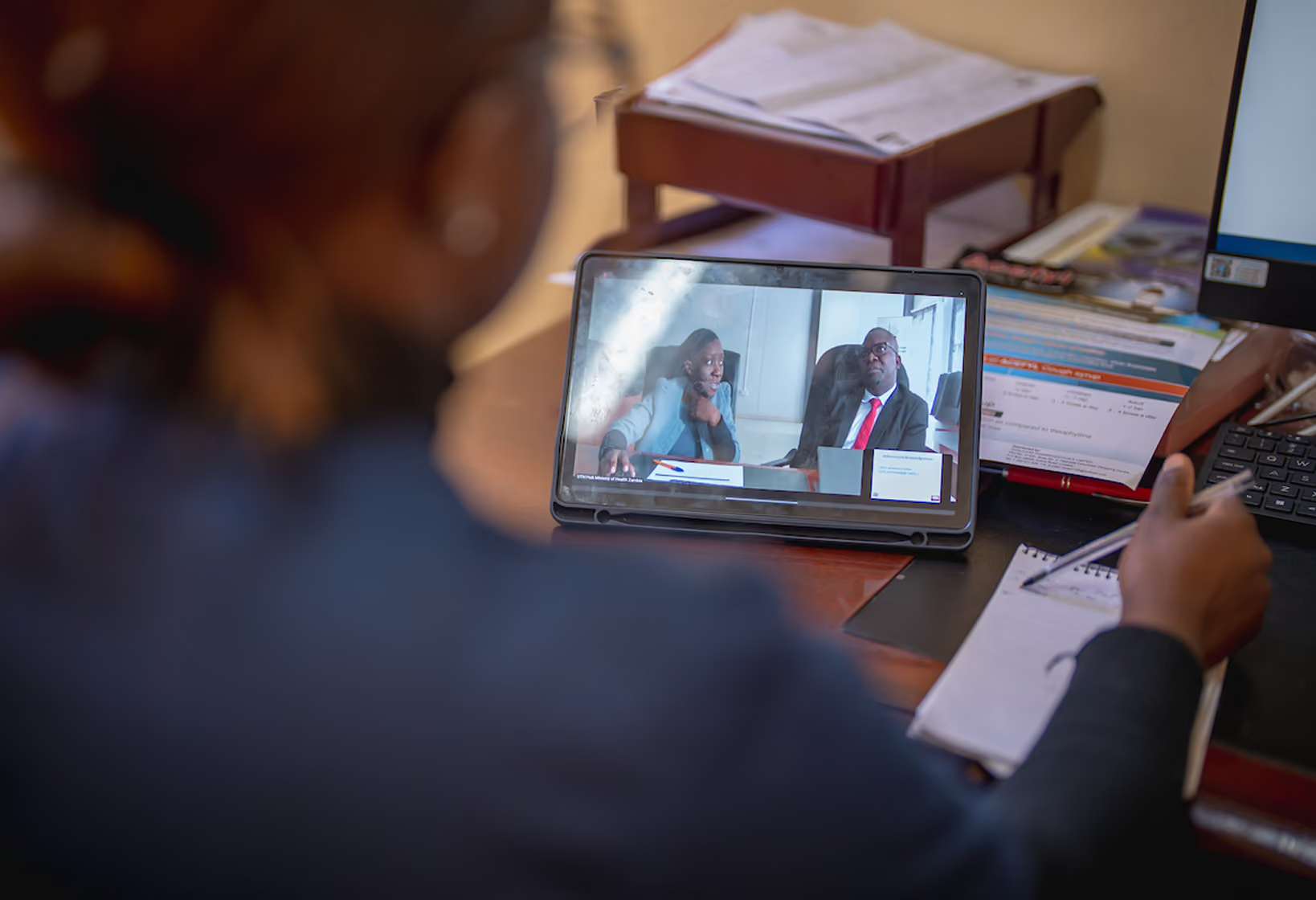
Grantee Spotlight

The Conversation
The Conversation, with its 12 global editions, is the most-read nonprofit news outlet globally, reaching 550 million people annually by translating peer-reviewed research into accessible journalism.

The Sick Times
The Sick Times is a journalist-founded website chronicling the Long Covid crisis.
Emergency Response
We build increased resilience in public health systems to better equip the global community to prepare for and respond to public health emergencies. By creating strong global networks, encouraging information sharing and enhancing public communication, Schmidt Global Health seeks to create a system that is highly capable of responding to emergencies and is resilient during and after crises. Schmidt Global Health works to enable early detection and response to diseases including Ebola, measles, mpox, pandemic influenza, SARS-CoV-2 and other infections. We aim to establish the systems that enable faster, more efficient responses to future threats.
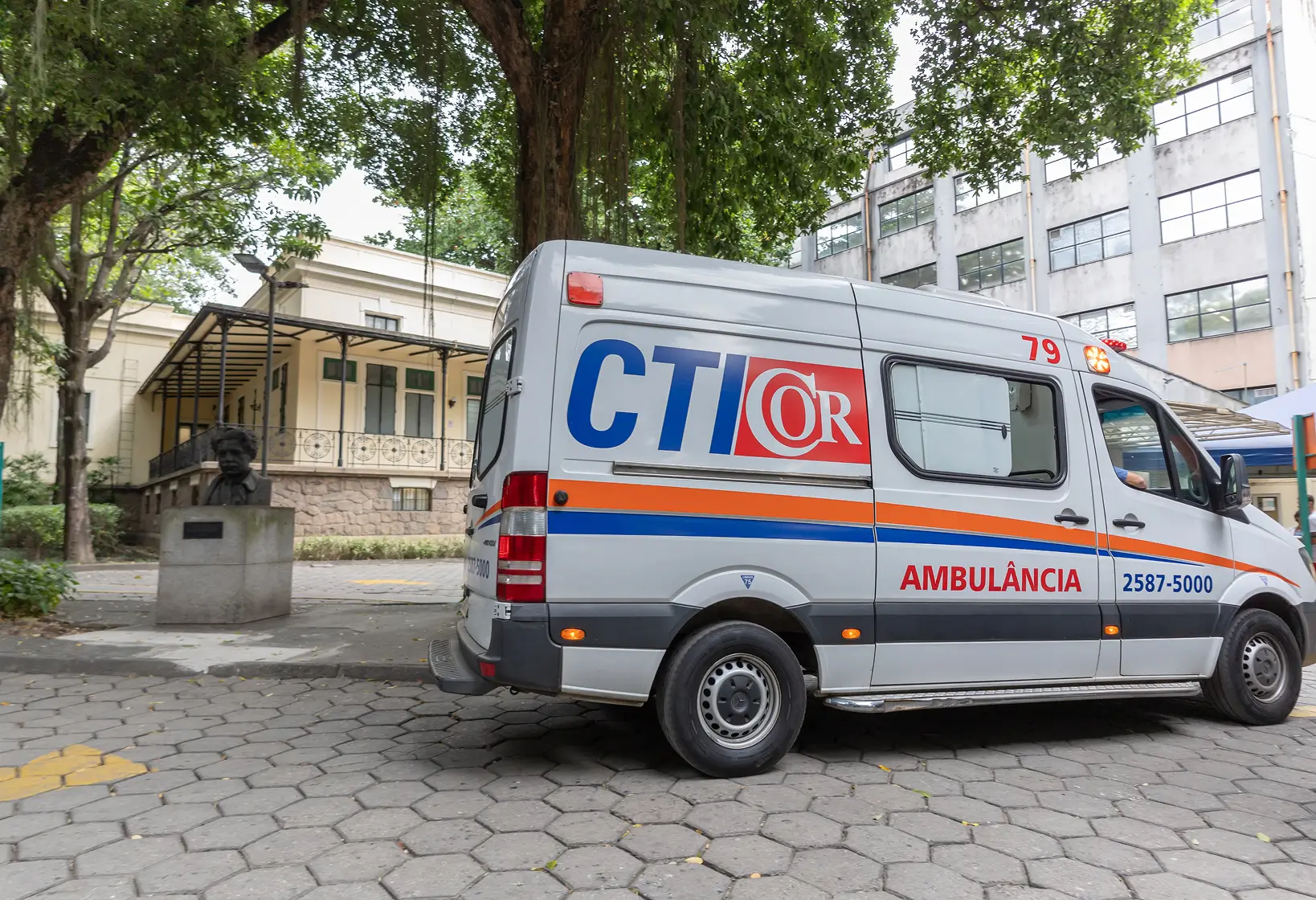
Grantee Spotlight
The World Health Organization
WHO’s Health Emergencies Programme works with all countries and partners to ensure the world is better prepared for all-hazards health emergencies that threaten global health security. Schmidt Global Health supports the Health Emergencies Programme across innovation, outbreak response, evaluation, and training to strengthen global health security architecture.
The Harvard Humanitarian Institute
By strengthening emergency care response systems in Ukraine through nationally led design and implementation of robust standard operating procedures (SOPs), this work will empower providers, strengthen systems, and improve access through all stages of emergency care response.

The Pacific Community
The Pacific Community (SPC) represents 22 Pacific Island countries and territories and co-runs the Pacific Public Health Surveillance Network (PPHSN), which includes Strengthening Health Interventions in the Pacific – Data for Decision Making (SHIP-DDM), building epidemiology capacity and coordination in the region.

Robert Koch Institute
Robert Koch Institute (RKI) is Germany's central public health institution, hosting the WHO Collaborating Centre for GOARN to strengthen global outbreak alert and response capacity. Schmidt Global Health supports RKI's GOARN Berlin Fellowship Programme, helping train the next generation of global health leaders from GOARN partner institutions worldwide.
Long Covid
Building upon the work of the Schmidt Initiative for Long Covid, Schmidt Global Health aims to improve clinical care for Long Covid patients worldwide. We support opportunities for clinician education about the latest Long Covid research developments, and facilitate collaboration between frontline clinicians and Long Covid specialists to improve patient care. We fund research to test potential repurposing of existing therapeutics as treatments for Long Covid and to identify new, more accurate ways to diagnose Long Covid and monitor the impact of treatment.
.avif)
Grantee Spotlight

NOVA Southeastern University
Nova Southeastern University (NSU) is conducting a placebo-controlled, randomized, blinded phase II clinical trial of sipavibart as a potential treatment for Long Covid. Led by principal investigator Nancy Klimas, head of NSU's Institute for Neuroimmune Medicine, the clinical trial will assess the effectiveness and safety of AstraZeneca’s long-acting monoclonal antibody sipavibart, originally designed to provide protection against Covid-19, as a potential treatment for Long Covid.

Scripps Research
Led by Scripps Translational Research Institute, the Long Covid Treatment Trial-Tirzepatide (LoCITT-T) is a decentralized, fully remote, nationwide phase 2 clinical trial evaluating the safety and efficacy of tirzepatide, a a dual GIP/GLP-1 receptor agonist, as a therapeutic for Long Covid.

The University of Western Ontario
LC-REVITALIZE is a phase III, double-blind, placebo-controlled, multi-arm, multi-site, adaptive platform clinical trial to evaluate the efficacy of repurposed medications as therapeutics for Long Covid, led by principal investigator Prof. Douglas Fraser at the University of Western Ontario.
Frequently Asked Questions
How does Schmidt Global Health decide what to fund?
Our team seeks out potential grantees that share our vision of a healthy world for all and that fall into one or more of our strategic pillars—network, information, communications and emergency response—or that work on Long Covid. We reach out directly to organizations pursuing promising projects that complement and grow the work of our other grantees.
How do you measure impact?
We develop shared goals with our partner organizations to inform the work we fund. Through all of our efforts, we hope to create a healthier world for all.
What is Schmidt Global Health’s budget?
Schmidt Global Health is fully and generously funded by Eric and Wendy Schmidt to fulfill our mission of improving public health systems worldwide.
How can I apply for funding from Schmidt Global Health?
Schmidt Global Health does not accept unsolicited requests for funding.
Which diseases does Schmidt Global Health work on in addition to Long Covid?
Schmidt Global Health seeks to create resilient public health systems worldwide through collaboration, communication, information sharing and enhanced emergency preparation and response. We focus on a systems approach across our four areas of work, building systems capable of addressing any global health threat, rather than focus on specific diseases.
What makes Schmidt Global Health unique?
Schmidt Global Health was founded in the wake of dramatic funding cuts for global public health, and our team has deep experience working within these systems during times of crisis. Our goal is to address gaps in public health systems while building toward a more resilient future.